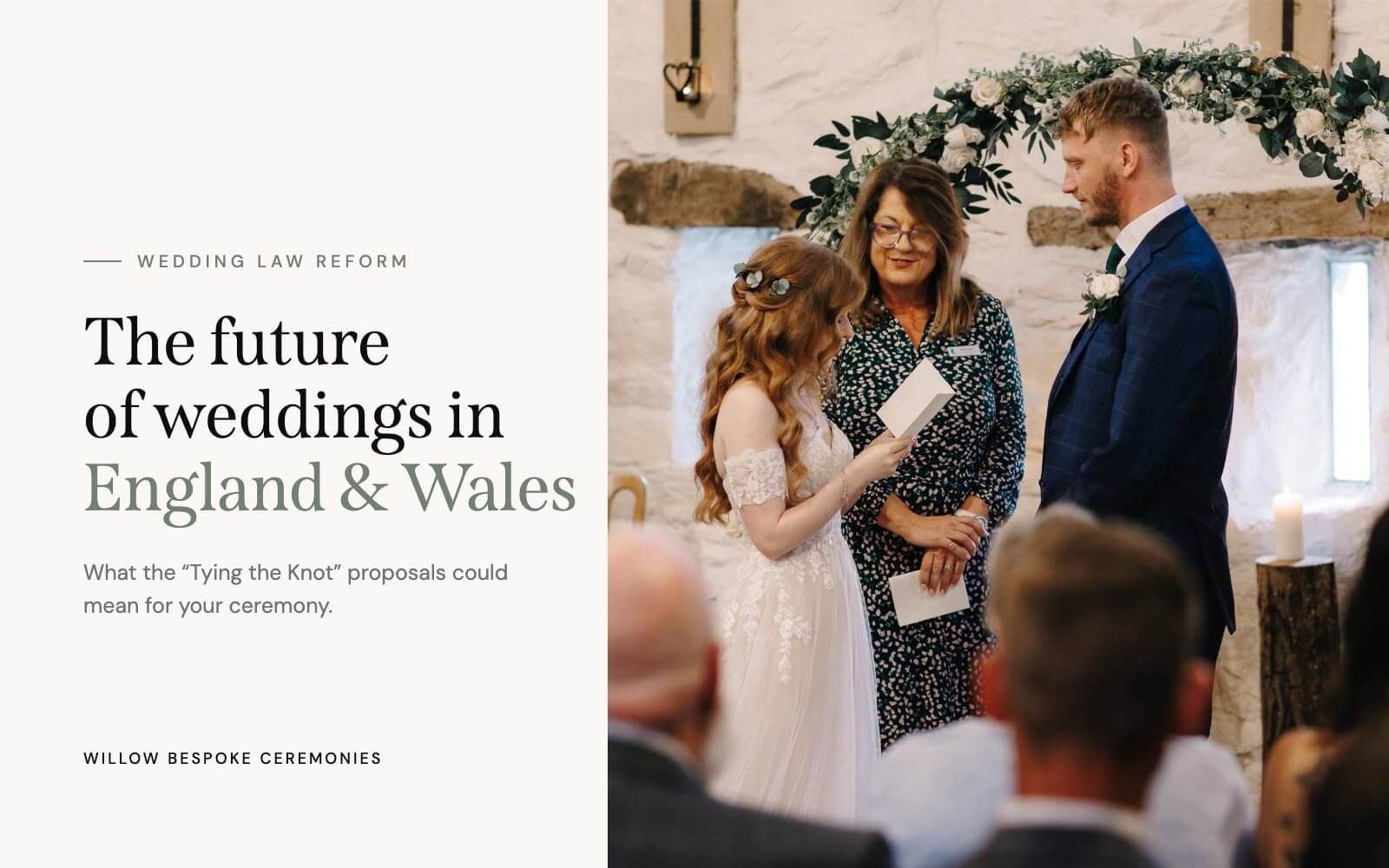
A new chapter for weddings in England and Wales
For couples planning their wedding, one of the most exciting things about getting married is being able to create a day that feels completely personal to them.
But our current wedding laws date back many decades and place restrictions on where and how legally recognised marriages can take place.
That could be about to change.
The UK Government is currently consulting on proposals to reform wedding law in England and Wales under “Tying the Knot: Reforming Weddings Law in England and Wales.”
So, what is changing?
The proposed reforms are intended to create a simpler, fairer and more flexible framework for weddings.
One of the biggest proposed changes is a move away from a system that focuses heavily on the building or premises where a wedding takes place, towards one that focuses on the authorised officiant responsible for the ceremony.
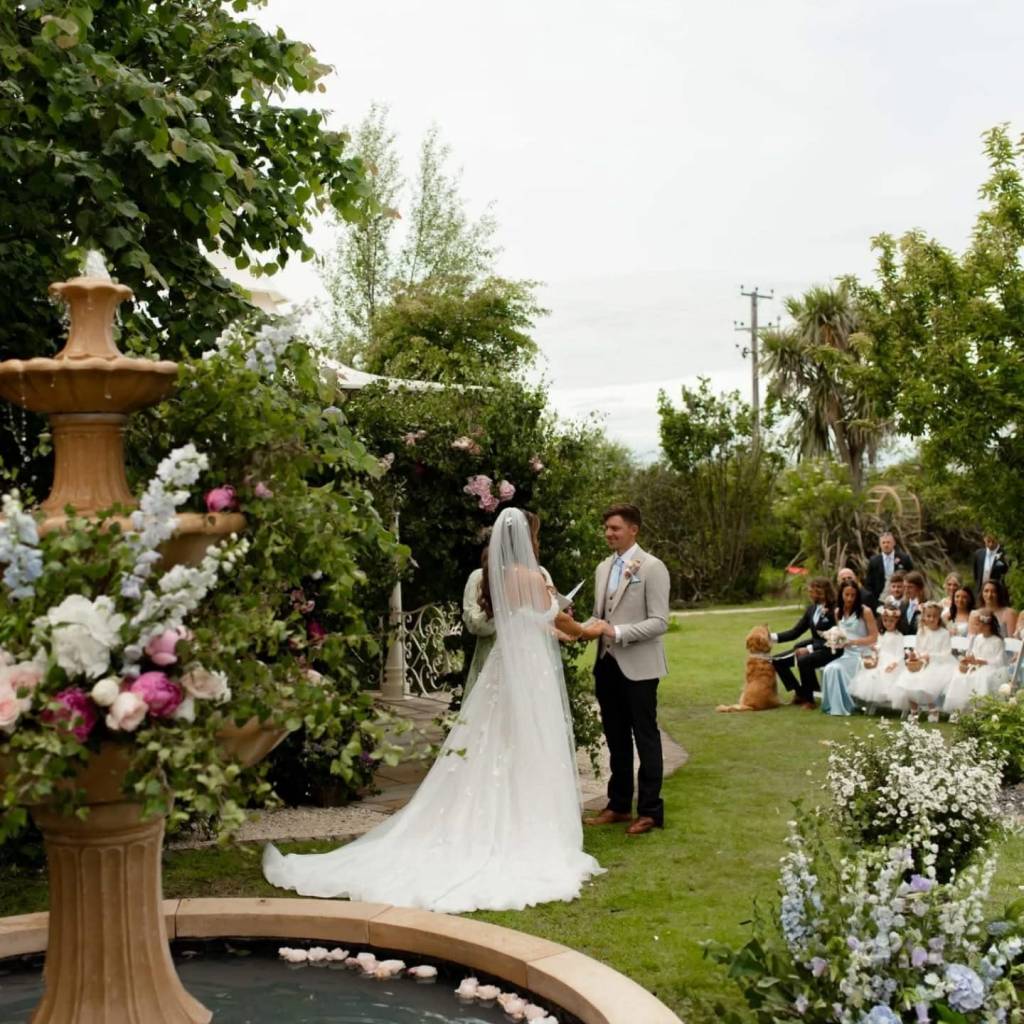
This could represent a significant change for couples who want something different from a traditional ceremony in a licensed wedding venue.
Imagine being able to focus more on your ceremony, your story and the people you love, rather than having your choices dictated by the type of building you are getting married in.
What could this mean for celebrant-led weddings?
This is particularly exciting for independent celebrants.
Celebrant-led ceremonies already give couples the freedom to create a ceremony that reflects who they are.
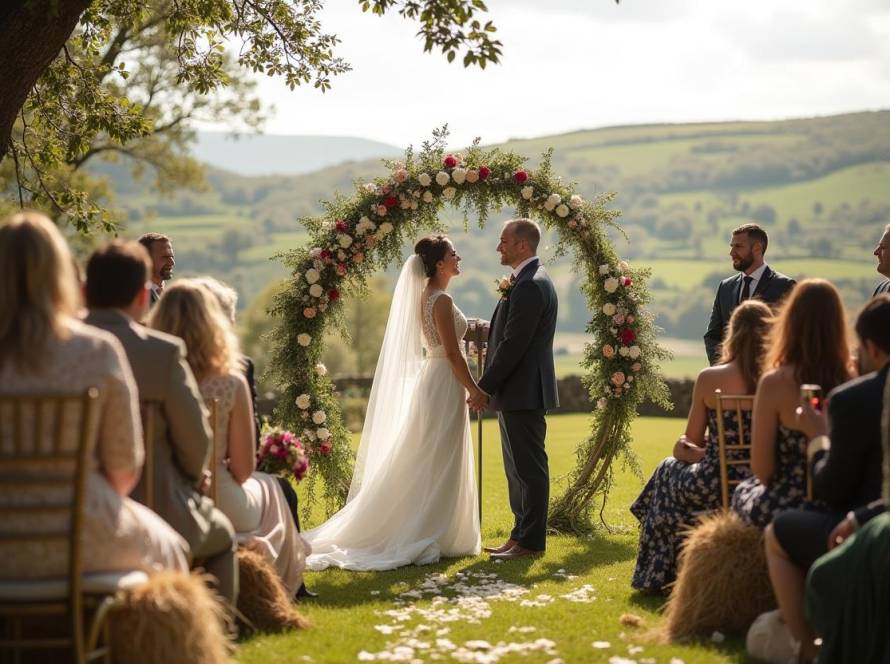
At Willow Bespoke Ceremonies, that might mean a wedding in a beautiful garden, a woodland setting, a barn, a favourite outdoor location or somewhere that has special meaning to you.
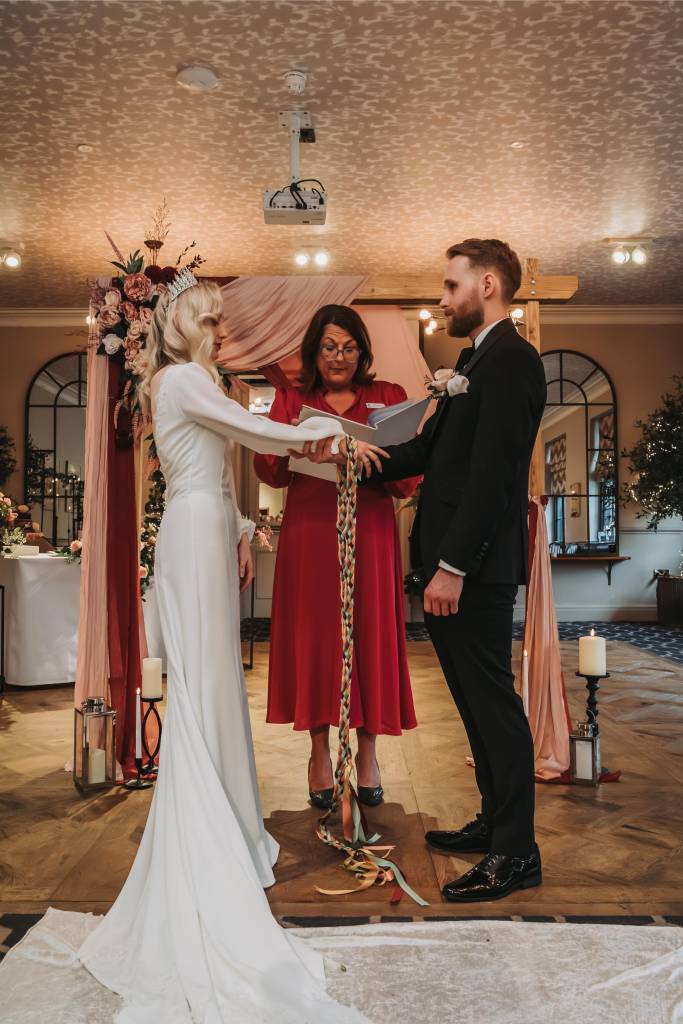
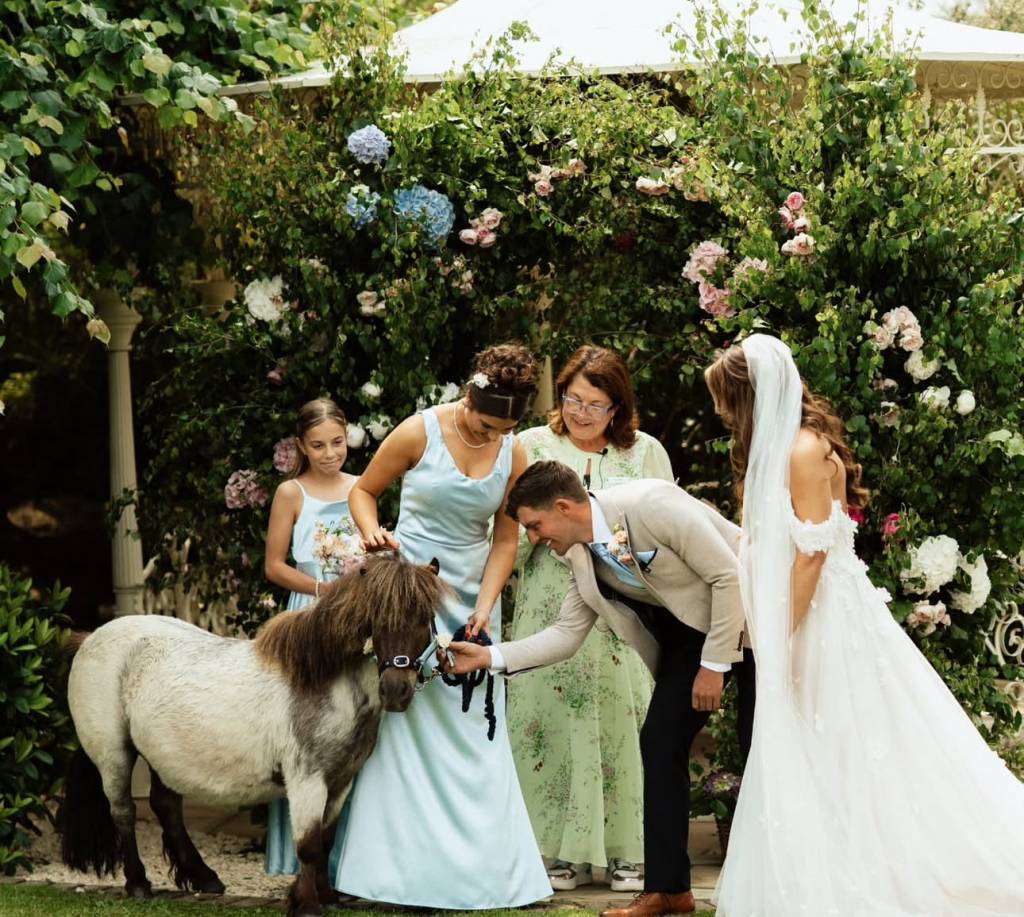
It can mean writing your own vows, involving your children, including your pets, choosing meaningful readings and music, or incorporating a beautiful symbolic ritual such as handfasting or a sand unity ceremony.
The proposed reforms could provide a new legal framework in which authorised celebrants play a much greater role in legally recognised weddings. However, the proposals are not yet law, and the precise arrangements for officiants, authorisation, regulation and legal ceremonies will depend on the outcome of the consultation and any future legislation.
Why is reform being considered?
The Government’s consultation follows the Law Commission’s 2022 review of wedding law.
The Law Commission found that the existing system is complicated and restrictive and recommended a new framework that would give couples greater choice while maintaining appropriate safeguards. The Government subsequently announced its intention to reform wedding law, subject to parliamentary time.
The consultation proposes a framework designed to be simpler, more consistent and more inclusive.
It also considers how the system could work for religious and non-religious ceremonies, independent celebrants, registration services and wedding venues.
What does this mean for couples right now?
For the moment, nothing changes to the current legal requirements.
If you are getting married now, you still need to follow the existing marriage laws and legal process.
But if these proposals eventually become law, the possibilities for future couples could be very different.
For celebrants, venues and couples, this is an important time to understand what is being proposed and to have a voice in the consultation.
A very exciting time for the wedding industry
At Willow Bespoke Ceremonies, we have always believed that your wedding ceremony should be about you.
Your relationship.
Your family.
Your story.
Your promises to one another.
And your vision for the day.
We don’t believe every couple should have to fit their love story into a traditional template.
That is why the proposed reform of wedding law is something we are watching very closely.
It could open the door to a future where the ceremony itself becomes even more central to the wedding day, with greater choice and flexibility for couples.
But let’s be clear…
The law has not changed yet.
The current consultation is an opportunity for people across England and Wales to share their views on how a new system could work. The consultation closes on 24 September 2026.
If you are a couple planning your wedding, a wedding venue, supplier or celebrant, this is a conversation worth following.
What could the future look like?
We don’t know exactly what the final legislation will look like yet.
But what we do know is that wedding law is being considered for significant reform, with the Government proposing a move towards a system centred on the officiant rather than the premises.
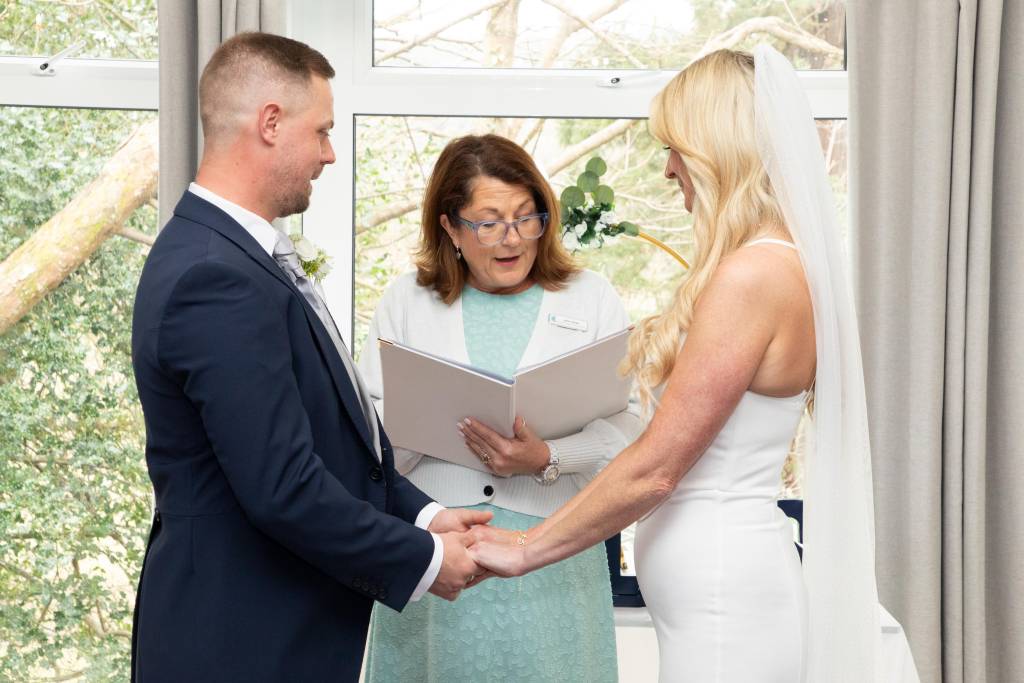
For couples who want a wedding that is personal, meaningful and completely their own, it could be the beginning of a very exciting new chapter.
And here at Willow Bespoke Ceremonies, we’ll be following every step of the journey.
Because your wedding day should be about how you want to say “I do” – not simply where the law says you can.
Want to know more about celebrant-led weddings? Contact Jane at Willow Bespoke Ceremonies and let’s talk about your wedding, your ideas and your vision for your ceremony.
This blog discusses proposals contained in the current “Tying the Knot” consultation. It is not legal advice, and the proposals may change before any legislation is introduced or comes into force.